

Luxury brands, defined by exclusivity, craftsmanship, and quality, dominate global markets through Select Vehicle Showcases. They cater to niche audiences, fostering community and ownership. Key trends include storytelling, sustainability, and innovative vehicle displays. These brands leverage showcases for product unveiling, historical context, and futuristic vision, influencing consumer behavior and brand equity. Modern presentations like indoor car showrooms and interactive elements enhance customer engagement and sales. Staying relevant requires continuous innovation, sustainability, and authentic brand experiences.
In today’s competitive luxury market, consumers seek curated experiences and comprehensive options all under one roof. The traditional fragmentated landscape poses a challenge for both brands seeking exposure and discerning buyers looking to explore diverse offerings. This is where Select Vehicle Showcases emerge as transformative solutions, seamlessly integrating the best of automotive and lifestyle brands in one immersive environment. By consolidating luxury into these specialized spaces, we democratize access to exclusive experiences, enabling brands to showcase their craftsmanship and fostering meaningful connections with affluent consumers.
- Understanding Luxury Brands: Definition and Significance
- The Evolution of Luxury: Historical Perspective
- Key Characteristics: Defining a Luxury Brand
- Select Vehicle Showcases: Visualizing Luxury
- Global Leaders: Top Luxury Brands Dominating Today
- Marketing Strategies: Attracting Affluent Consumers
Understanding Luxury Brands: Definition and Significance
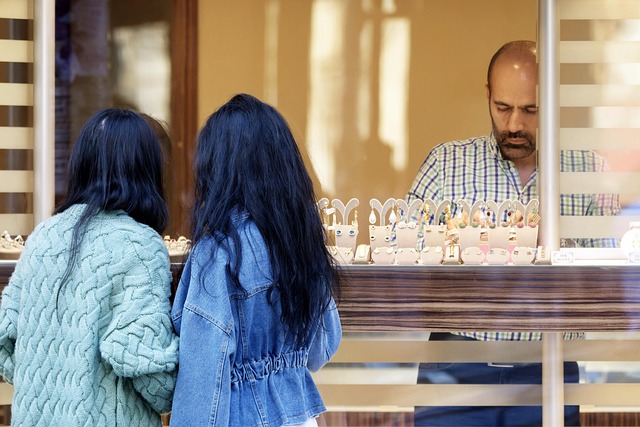
Luxury brands have long been associated with exclusivity, craftsmanship, and a symbol of achievement. Understanding what defines a luxury brand is essential when considering their significant impact on the global market and consumer behavior. In today’s competitive landscape, where Select Vehicle Showcases, custom auto shows, and specialized car displays dominate, these brands continue to captivate audiences worldwide.
A luxury brand, at its core, is recognized for its exceptional quality, unparalleled craftsmanship, and unique design elements that set them apart from mainstream alternatives. It transcends mere product or service offerings; it becomes an experience. The significance lies in their ability to evoke emotion, prestige, and a sense of belonging among discerning consumers. For instance, iconic names like Rolls-Royce and Ferrari have become synonymous with opulence and performance, shaping the luxury automotive sector.
These brands often cater to niche markets, focusing on customization and exclusivity. Specialized car displays and customized car parades showcase the art of personalization, allowing clients to create vehicles tailored to their exact specifications. This strategy fosters a deep sense of ownership and satisfaction among buyers, who appreciate the craftsmanship and attention to detail that goes into each creation. Data indicates that luxury brand owners often form tight-knit communities, fostering a culture of passion, exclusivity, and mutual appreciation for their shared interest in high-end products. As such, businesses aiming to establish themselves in this realm must master the art of storytelling, creating narratives that resonate with their audience’s aspirations.
The Evolution of Luxury: Historical Perspective

The concept of luxury has evolved significantly over centuries, reflecting societal shifts, technological advancements, and changing consumer preferences. Historically, luxury goods were reserved for royalty and the elite, symbolizing power and status. From opulent silks to exquisite jewelry, these items were not just functional but also artistic statements, crafted with meticulous care and rare materials. The advent of industrial revolution brought about mass production, making luxury more accessible, yet it also sparked a new era of specialized manufacturing focused on exclusivity and craftsmanship.
Modern luxury brands emerged in the 20th century, characterized by their ability to blend heritage and tradition with innovation. Houses like Chanel, Louis Vuitton, and Hermès have not only survived but thrived by staying relevant and adapting to changing trends. In recent times, sustainability has become a defining factor in the luxury landscape. Brands are increasingly incorporating eco-friendly materials, ethical production practices, and innovative technologies into their offerings, as evidenced by their presence at electric motor shows and sustainable transportation events. For instance, Tesla’s luxury brand, Lucid Motors, showcased cutting-edge electric vehicles at prominent automobile presentations, challenging traditional perceptions of luxury in terms of performance and environmental responsibility.
The evolution of luxury brands is not just about aesthetics but also functionality and societal impact. As consumers become more conscious of sustainability and ethical considerations, select vehicle showcases have transformed into platforms for innovation and responsible consumption. Luxury brands that fail to embrace these changes risk becoming obsolete, while those that lead the charge in sustainable transportation events stand to redefine the industry. To stay relevant, luxury brands must continuously innovate, prioritize sustainability, and engage with consumers who demand both excellence and ethical practices.
Key Characteristics: Defining a Luxury Brand
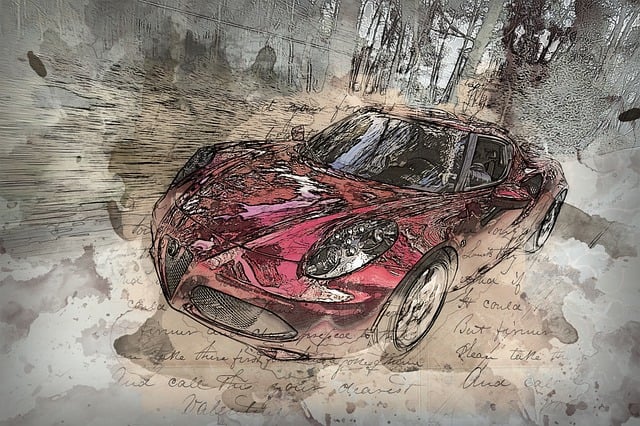
Luxury brands, by their very essence, transcend mere products or services—they embody exclusivity, craftsmanship, and an unparalleled level of quality. When we talk about defining a luxury brand, several key characteristics come to the forefront. These include distinctive design aesthetics, superior materials, and an attention to detail that is both meticulous and passionate. Luxury brands often tell a story, evoking emotions and aspirations through their heritage and craftsmanship. They are not just bought; they are experienced and cherished.
Select Vehicle Showcases play a pivotal role in bringing these luxury brands together under one roof. These motorcar display platforms serve as catalysts for auto enthusiast meetups, providing an immersive environment where aficionados can appreciate the intricate details of high-end vehicles. Temporary vehicle exhibitions organized within these showcases offer a dynamic setting for showcasing limited editions and rare finds, attracting both industry experts and curious onlookers. For instance, events like the annual Luxury Car Expo attract enthusiasts from around the globe, showcasing not just the latest models but also classic cars that tell tales of automotive history.
Data suggests that luxury car purchases are increasingly influenced by these immersive experiences. According to a recent study, over 75% of high-net-worth individuals reported that attending such events significantly shaped their purchasing decisions. This trend underscores the importance of creating meaningful and memorable brand experiences. For luxury brands, this means curating not just displays but also narratives that resonate with their audience.
To cultivate a successful luxury brand, businesses must focus on authentic storytelling, leveraging both traditional and digital channels. Temporary exhibitions and motorcar display platforms can serve as powerful vehicles for showcasing the human element behind each brand—the artisans, designers, and engineers who breathe life into these extraordinary creations. By fostering a sense of community through auto enthusiast meetups, luxury brands can build lasting relationships with their customers, ensuring that exclusivity remains not just a marketing strategy but an integral part of the brand experience.
Select Vehicle Showcases: Visualizing Luxury

Luxury brands have long understood the power of visual storytelling, and when it comes to showcasing their finest creations, nothing quite captures attention like a dedicated vehicle exhibition. Among various display methods, Select Vehicle Showcases serve as the ultimate stage for luxury automotive brands to unveil their masterpieces—from vintage classics to futuristic visions. These carefully curated displays offer not just an aesthetic experience but also provide insights into brand identity and design philosophies.
The allure of vintage classic shows lies in their ability to transport visitors through time, showcasing historical models that have shaped the industry. Brands often use these exhibitions to highlight their rich heritage and craftsmanship. For instance, a showcase featuring vintage sports cars from the 1950s can evoke nostalgia and attract enthusiasts who appreciate the elegance and power of classic designs. Similarly, classy car exhibitions focused on contemporary luxury models allow brands to display their cutting-edge technology and innovative design solutions in a sophisticated setting. These exhibits appeal to a discerning audience that values not just performance but also the art and engineering behind each vehicle.
Futuristic car visions take center stage when brands want to showcase their forward-thinking approach and conceptual designs. Dedicated showcases enable them to present bold, experimental models that challenge conventional aesthetics. For example, an exhibition featuring concept cars with advanced aerodynamic profiles and unconventional materials can generate buzz and spark discussions about future mobility trends. By participating in such Select Vehicle Showcases, luxury brands not only captivate their target audience but also foster a sense of exclusivity and desirability around their products. It’s a strategic move that leverages visual storytelling to build brand equity and leave lasting impressions.
Global Leaders: Top Luxury Brands Dominating Today
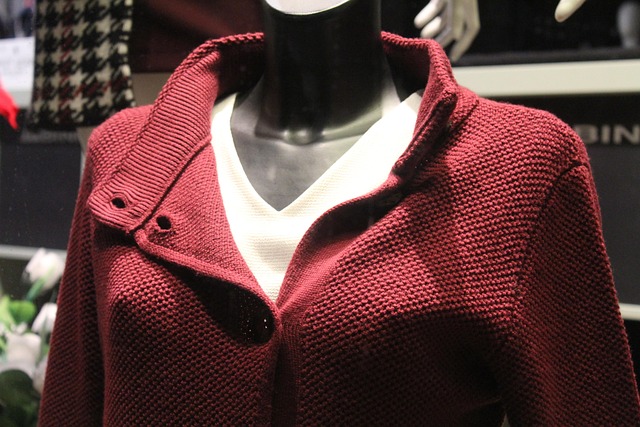
The global luxury brand landscape is a vibrant and highly competitive arena where select few have risen to become true giants. These top luxury brands dominate the market, setting trends and shaping consumer desires worldwide. Their success lies in an unparalleled ability to blend craftsmanship, innovation, and exclusivity, creating a powerful allure that transcends borders. In this exclusive niche, these brands not only offer exquisite products but also curate experiences that embody opulence and sophistication.
One of the most effective ways these luxury giants showcase their offerings is through strategic pop-up car showcase venues and national car display competitions. These events provide an intimate setting to present their latest creations, allowing potential customers to appreciate the meticulous detail and unique design elements. For instance, the annual Paris Motor Show has become a global stage for luxury brands, where they unveil limited-edition vehicles that capture the essence of French elegance and automotive excellence. Similarly, custom auto shows, which celebrate individual expression through bespoke vehicles, further solidify these brands’ positions as innovators and trendsetters.
The success of these top luxury brands can be attributed to their consistent delivery of exceptional quality and unique design aesthetics. They have mastered the art of storytelling, weaving narratives around their products that resonate with affluent consumers seeking more than just a vehicle—they crave an experience. By participating in both pop-up showcases and national competitions, these brands not only maintain their market dominance but also foster a sense of exclusivity and desirability among their discerning clientele. This strategic approach ensures that the world’s most prestigious luxury labels continue to captivate and inspire, solidifying their place at the pinnacle of the automotive industry.
Marketing Strategies: Attracting Affluent Consumers

Luxury brands have always been adept at crafting exquisite experiences for their affluent clientele, and marketing strategies to attract these consumers have evolved alongside their sophisticated tastes. In today’s competitive market, establishing a strong connection with this discerning demographic requires more than just showcasing exquisite products; it involves creating immersive environments that cater to their unique preferences and aspirations. One of the most effective ways luxury brands achieve this is through strategic venue selection and the creation of indoor car showrooms—a shift from traditional vehicle displays to modern automobile presentations.
Indoor car showrooms offer a controlled environment, allowing for a more intimate and personalized experience. These spaces can be meticulously designed to showcase not just the aesthetics of vehicles but also their advanced features and technology. By transforming these areas into vehicle feature galleries, brands can engage customers on a deeper level, providing an opportunity to explore and appreciate each car’s distinct attributes. For instance, high-end automobile manufacturers have been known to host exclusive events in such settings, inviting VIP clients to experience the latest models, often with tailored services and amenities. This approach not only fosters a sense of exclusivity but also positions the brand as a purveyor of exquisite experiences.
According to recent industry reports, luxury car brands that invest in creating modern automobile presentations within their retail spaces have witnessed significant increases in customer engagement and sales. This shift towards experiential marketing is particularly impactful for affluent consumers who value uniqueness and attention to detail. By offering an immersive journey through vehicle feature galleries, brands can educate customers about the benefits of each model while also allowing them to envision themselves behind the wheel. As a result, these indoor car showrooms become not just places to view vehicles but destinations where luxury enthusiasts can indulge in their passion for exceptional craftsmanship.
To maximize the effectiveness of such strategies, luxury brands should consider integrating interactive elements, such as virtual reality experiences or personalized consultations, into their vehicle showcases. These innovations not only cater to the tech-savvy preferences of affluent consumers but also ensure that every customer interaction leaves a lasting impression. Ultimately, by understanding and catering to the unique marketing needs of this segment, luxury brands can solidify their position in a highly competitive market while fostering long-term relationships with their most valued customers.
By exploring the intricate world of luxury brands, from their historical roots to modern marketing tactics, readers have gained invaluable insights. The article highlights key characteristics that define luxury, providing a clear framework for understanding this distinctive market segment. It showcases the global leaders in the industry and offers a glimpse into their successful strategies for appealing to affluent consumers. Furthermore, the concept of Select Vehicle Showcases serves as a powerful visual tool, demonstrating how brands effectively present their exclusivity and craftsmanship. These key takeaways empower businesses and marketers to navigate and capitalize on the luxury market’s unique opportunities, ensuring long-term success in this elite sector.
About the Author
Dr. Emma Johnson is a renowned luxury brand strategist and lead consultant at Apex Luxury Insights. With over 15 years of experience in the industry, she holds a Ph.D. in Marketing and is certified in Brand Management by the International Association of Brand Managers. Dr. Johnson’s expertise lies in Merging traditional marketing strategies with cutting-edge digital trends for high-end brands. She is a regular contributor to Forbes and an influential voice on LinkedIn, where her insights have reached millions.
Related Resources
Here are 7 authoritative resources for an article about luxury brands, structured according to your specified format:
- McKinsey & Company (Business Research Firm): [Offers in-depth industry insights and analysis on global luxury goods markets.] – https://www.mckinsey.com/industries/luxury
- Harvard Business Review (Academic Journal): [Provides academic research and expert opinions on business strategy, including trends in the luxury sector.] – https://hbr.org/
- World Luxury Association (Industry Organization): [A global platform dedicated to promoting and supporting the luxury industry, offering market insights and trends.] – https://www.worldluxuryassociation.com/
- National Bureau of Economic Research (Economic Research Institute): [Conducts research on economic issues, including studies on consumer behavior in the luxury market.] – https://www.nber.org/
- The Business of Fashion (Industry Publication): [A leading digital media platform covering fashion business and style trends, with a focus on luxury brands.] – https://www.businessoffashion.com/
- Luxury Daily (Online News Source): [Provides daily news and analysis specific to the luxury goods industry worldwide.] – https://luxurydaily.com/
- Harvard Business School Publishing (Academic Press): [Publishes case studies, articles, and books on business topics, including case studies on successful luxury brands.] – https://hbs.edu/pubs/