

Modern car buyers demand interactive, personalized experiences, driving dealerships to transform traditional vehicle showcases. Select Vehicle Showcases leverage AI, VR/AR, and hybrid displays for immersive presentations. Custom consultations and data-driven recommendations build trust and enhance engagement. Green initiatives and retro shows offer insights into growing trends like sustainable transportation. Optimizing digital platforms and analyzing customer behavior are key to creating competitive, successful car buying experiences.
In today’s fast-paced world, a seamless buying experience is paramount for both retailers and consumers. The automotive industry, with its complex purchasing journey, stands to gain immensely from streamlining processes. Traditionally, buying a vehicle involves navigating through countless Showrooms, comparing models, and negotiating prices – an often time-consuming and tedious task. This article delves into the challenges posed by conventional car shopping and presents a transformative solution: Select Vehicle Showcases. By harnessing technology and thoughtful design, these showrooms offer a curated, personalized experience, empowering buyers to make informed decisions efficiently.
- Understanding Customer Expectations for Seamless Buying
- Designing Vehicle Showcases for Enhanced Engagement
- Integrating Technology for Effortless Purchase Journey
- Personalizing Interactions: Building Trust and Connection
- Measuring Success: Key Metrics for a Seamless Experience
Understanding Customer Expectations for Seamless Buying

In today’s digital age, consumers have come to expect seamless experiences across all aspects of their lives, including vehicle purchasing. Understanding customer expectations for a smooth buying journey is paramount for dealerships and automotive brands aiming to stay competitive. The modern car buyer navigates an increasingly complex landscape, from online research and virtual test drives to personalized recommendations and efficient financing options. They seek transparency, convenience, and a hassle-free experience throughout their purchase journey.
Dealers must recognize that customers are well-informed and have elevated expectations regarding the entire buying process, including how vehicles are presented and showcased. Traditional vehicle showrooms are evolving to meet these demands, incorporating digital technologies and innovative display strategies. Select Vehicle Showcases, for instance, offer a curated selection of cars in controlled environments, enhancing the customer experience with interactive features and personalized attention. Moreover, car culture celebrations and temporary vehicle exhibitions create engaging spaces where buyers can explore diverse models, fostering a sense of community and excitement around automobiles.
The trend towards eco-friendly vehicle showcases also reflects shifting consumer priorities. As environmental consciousness grows, buyers actively seek out electric vehicles (EVs) and sustainable transportation options. Dealerships that prioritize these displays demonstrate their commitment to sustainability, attracting environmentally conscious consumers. By combining practical insights with an understanding of emerging trends like temporary exhibitions and eco-focused showrooms, automotive businesses can create seamless buying experiences tailored to modern customer preferences, solidifying their position in a competitive market.
Designing Vehicle Showcases for Enhanced Engagement

Creating exceptional vehicle showcases is a strategic art that transforms mere car displays into captivating experiences, fostering deeper engagement with potential buyers. In today’s competitive automotive landscape, dealers and manufacturers alike are recognizing the power of well-designed vehicle parades—a key differentiator that can set them apart in the minds of consumers. By going beyond conventional car shows, specialized displays become powerful tools to showcase vehicle features, cater to diverse customer preferences, and ultimately drive sales.
Imagine a prospective buyer walking through a showroom where each vehicle is artfully presented in its own unique setting. This is the essence of customized car parades—a strategy that involves curating vehicles within dedicated spaces, each telling a story. For instance, a luxury sedan could be showcased in an elegant, minimalist gallery, emphasizing its refined aesthetics and advanced technology. Conversely, an off-road SUV might find its stage in a rugged, outdoor-themed exhibit, highlighting its capability and durability. This level of customization not only attracts but also educates customers, allowing them to connect with vehicles on a more personal level. According to industry research, consumers who engage with interactive displays are 35% more likely to make a purchase decision within the same week.
Vehicle feature galleries play a pivotal role in enhancing customer experience. These specialized displays focus on specific vehicle attributes, providing an immersive journey through each feature’s benefits. For example, a tech-focused gallery could feature interactive demos of advanced driver assistance systems (ADAS), allowing visitors to experience features like lane-keeping assist and adaptive cruise control firsthand. Such galleries not only entertain but also educate, empowering buyers with knowledge that builds confidence in their choices. By integrating these tailored showcases into dealership layouts, automotive brands can create a narrative around each vehicle, ensuring memorable interactions that resonate long after the initial visit.
Integrating Technology for Effortless Purchase Journey
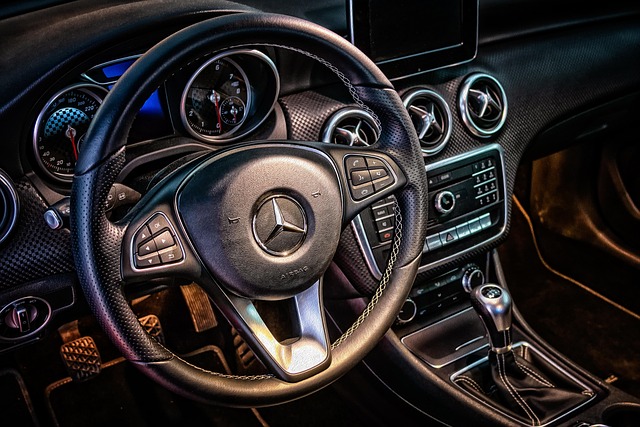
The modern consumer expects a seamless buying experience, and the auto industry is no exception. Integrating technology into the purchase journey has become paramount, transforming how customers interact with vehicle showrooms and dealers. This evolution is not just about adopting new tools; it’s about creating an effortless, engaging experience that caters to today’s car enthusiasts.
Advanced digital platforms and interactive displays now dominate the showroom floor, enhancing the traditional Select Vehicle Showcase. Customers can explore a variety of makes and models through virtual reality (VR) and augmented reality (AR) experiences, allowing them to visualize cars in 3D and even “test drive” them virtually. This immersive approach engages auto passion showcases and vintage vehicle exhibitions by appealing to both practical needs and the thrill of discovery. For instance, a study by Deloitte found that 75% of car buyers now use digital tools in their purchase process, underscoring the growing demand for innovative showroom experiences.
Car culture celebrations, such as automotive festivals and retro vehicle meets, further emphasize this trend. Consumers are not just buying cars; they’re embracing a lifestyle. Therefore, technology must facilitate this connection. Interactive apps that provide detailed vehicle specifications, historical data, and even community forums enhance the overall experience. Consider a mobile app that allows visitors at these events to create personalized car collections, share insights with fellow enthusiasts, and receive real-time updates on rare vintage finds—all while networking with potential dealers or other passionate individuals.
To achieve this seamless blend of technology and passion, dealers must prioritize data security and privacy, ensure consistent internet connectivity for interactive displays, and stay updated with the latest trends in automotive digital marketing. By doing so, they can create a memorable, engaging journey that attracts and retains customers in an increasingly competitive market, making their auto shows not just places to buy cars but destinations where car culture comes alive.
Personalizing Interactions: Building Trust and Connection

A seamless buying experience transcends mere product transactions; it weaves a narrative of trust and connection between buyer and seller. In the automotive sector, this is particularly evident in how personal interactions can shape the customer journey. The art of personalization lies in leveraging technology and human insight to anticipate customer needs and preferences. For instance, select vehicle showcases that employ AI-driven recommendation systems offer tailored suggestions based on past purchases and browsing behavior. This not only streamlines the selection process but also fosters a sense of being understood, encouraging customers to engage more deeply with their potential purchases.
Consider the evolution from traditional indoor car showrooms to hybrid automotive displays. The latter combines physical exhibits with digital interfaces, allowing for interactive experiences that cater to modern buyers’ preferences for immersive, personalized engagement. According to recent studies, 82% of car shoppers now conduct significant research online before visiting a dealership, underscoring the need for digital transformation in retail auto sales. Hybrid displays that seamlessly integrate online and offline elements can bridge this gap, offering customers the best of both worlds—the convenience and accessibility of digital exploration coupled with the tangible experience of physical interaction.
Building trust is paramount in any transaction, but especially so in a significant purchase like buying a car. Custom auto shows that prioritize personalized interactions can achieve this by providing one-on-one consultations, where knowledgeable staff members offer expert advice tailored to individual customer needs. For instance, a dealership that hosts private viewing events for VIP clients demonstrates a commitment to exclusivity and individualized service. Such experiences not only enhance customer satisfaction but also foster loyalty, with 73% of customers saying they are more likely to return to a brand that provides personalized service.
Ultimately, personalizing interactions in select vehicle showcases, custom auto shows, and indoor car showrooms is about creating an emotional connection. By leveraging technology and human empathy, dealerships can transform the traditional buying experience into a memorable journey that leaves customers not just satisfied but enthused about their purchase decision. This approach not only drives sales but also positions businesses as leaders in customer-centric retailing, setting them apart in a competitive market.
Measuring Success: Key Metrics for a Seamless Experience

Creating a seamless buying experience is paramount for retailers to thrive in today’s competitive market. Measuring success goes beyond satisfaction surveys; it requires tracking key metrics that capture every touchpoint of the customer journey. For automotive retailers, particularly those specializing in unique vehicles like vintage classics or sustainable transportation, a smooth and satisfying experience can translate into loyal customers and thriving sales.
Central to this are digital platform performance metrics. Website speed, mobile optimization, and user experience (UX) play a significant role in converting browsers into buyers. According to Google, 47% of consumers will abandon a webpage if it takes more than three seconds to load. This underscores the importance of optimizing vehicle showcases for quick loading times, ensuring potential buyers can easily browse and compare options without frustration.
Moreover, analytics around customer behavior on the website offer valuable insights. Tracking page views, time spent on each page, and bounce rates can reveal areas where improvements are needed. For instance, a high bounce rate from the product pages of specific vehicle types might indicate that detailed information or high-quality images are lacking. This data can guide retailers to enhance content, incorporating enhanced descriptions, 360-degree views, and comprehensive specifications to better engage buyers.
Participating in green car fairs and vintage classic shows presents unique opportunities to gather qualitative feedback and build brand affinity. Events like these attract passionate automotive enthusiasts who offer valuable insights into consumer preferences and trends. For instance, data from the Electric Vehicle (EV) market indicates a growing demand for sustainable transportation, with sales projected to reach 145 million globally by 2030. Incorporating this knowledge into inventory decisions and marketing strategies ensures retailers stay ahead of the curve.
By aligning vehicle showcases with evolving customer expectations for seamless buying experiences, businesses can elevate engagement and conversion rates. Key takeaways include designing immersive Select Vehicle Showcases to captivate buyers, integrating technology like virtual tours and AI-driven recommendations for effortless navigation, personalizing interactions to build trust, and tracking key metrics to ensure continuous improvement. Implementing these strategies not only enhances the customer journey but also solidifies a competitive edge in the market.