
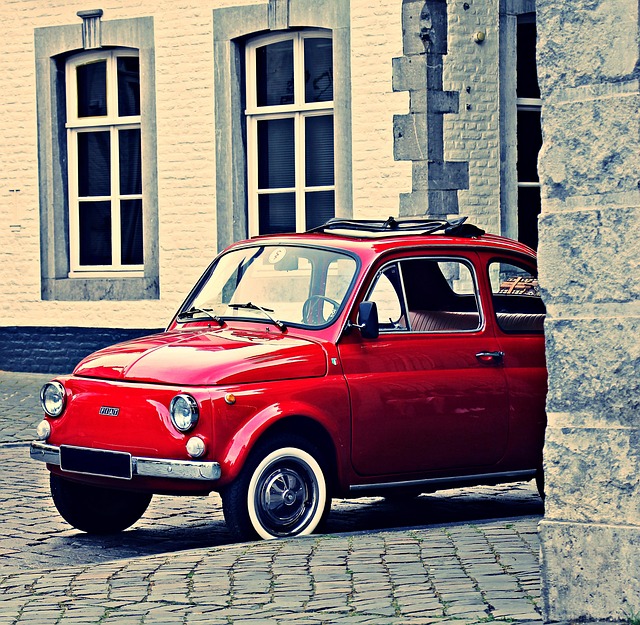
Vintage car collections preserve automotive history through meticulously restored vehicles showcased at events like Pebble Beach and Goodwood Festival of Speed. Enthusiasts can engage in detailed research, visit museums, join clubs, participate in specialized tours, and attend national showcases to appreciate these treasures. Creating compelling vehicle showcases involves selecting themes, sourcing quality cars, and curating them with thematic galleries, regular inspections, preventative care, and climate-controlled environments for optimal preservation. Sharing passion through exhibitions, pop-up showcases, storytelling, and educational elements connects enthusiasts and introduces newcomers to classic automobiles.
Vintage car collections hold a unique place in automotive history, preserving iconic models and telling stories from bygone eras. However, the challenge lies in showcasing these treasures effectively while ensuring their longevity. This article delves into the art of curating and displaying vintage vehicles, exploring how Select Vehicle Showcases can serve as ideal platforms. We’ll discuss the importance of proper preservation techniques, space optimization, and design strategies to create captivating displays that both honor the past and engage modern audiences.
- Understanding Vintage Car Collections: A Historical Perspective
- Building Your Showcase: Select Vehicle Criteria & Sources
- Curating and Maintaining: Care & Preservation Techniques
- Sharing Your Passion: Displaying & Showcasing for All to Enjoy
Understanding Vintage Car Collections: A Historical Perspective

Vintage car collections offer a unique window into the past, showcasing the evolution of automotive design and engineering. To truly understand these collections, one must explore their historical context. Each vehicle within a vintage collection tells a story—a tale of technological advancements, cultural shifts, and aesthetic trends that shaped motoring history. These cars are not merely old machines; they are artifacts from a bygone era, reflecting the spirit and aspirations of their time.
National car display competitions and luxury car expos play a pivotal role in preserving and celebrating these historical treasures. Events like the Pebble Beach Concours d’Elegance or the Goodwood Festival of Speed attract vintage cars from around the globe, each meticulously restored to its former glory. These platforms not only provide a stage for owners to showcase their prized possessions but also serve as a gauge of market interest and public appreciation for vintage vehicles. For instance, a 1960s sports car that once roamed the highways with freedom and flair can now command substantial prices at such expos, highlighting the enduring allure of automotive nostalgia.
Furthermore, futuristic car visions exhibited at major events offer an intriguing contrast when viewed alongside vintage collections. While classic cars represent the heritage of motoring, futuristic concepts showcase where the industry is headed. This juxtaposition provides a comprehensive understanding of automotive history and its continuous evolution. As the automotive landscape continues to transform with electric vehicles and autonomous technology, vintage car collections serve as a reminder of the rich heritage that has shaped our present and will continue to inspire future innovations.
To appreciate vintage car collections in their full glory, enthusiasts should focus on detailed research and authentic experiences. Visiting museums dedicated to classic cars, joining automotive clubs, and participating in specialized tours can offer deep insights into specific eras and models. Additionally, attending national car display competitions allows one to witness the dedication of restorers who bring these vehicles back to life, ensuring that future generations can appreciate and learn from this rich historical tapestry.
Building Your Showcase: Select Vehicle Criteria & Sources

Building a compelling showcase of vintage cars involves strategic selection of both vehicle criteria and sourcing methods. To create an impactful collection, begin by defining your theme or era—be it classic American muscle cars, European sports automobiles, or timeless classics from any decade. This thematic focus not only enhances visual appeal but also provides context for viewers, allowing them to appreciate the historical significance and evolution of motoring. For instance, curating a display around 1960s British sports cars can feature iconic models like the Ford GT40, Jaguar E-Type, and Aston Martin DB5, each embodying that era’s design aesthetics and engineering prowess.
Next, determine the scale and format of your showcase. This decision will dictate both the number of vehicles and the type of event you organize. Custom auto shows and mobile showcase events offer unique opportunities to reach a broader audience. These dynamic presentations can be tailored to specific locations, attracting enthusiasts from diverse regions. For instance, hosting a drive-through exhibition in urban areas or setting up a pop-up display at country fairs engages different demographics, fostering a sense of community among vintage car aficionados. Temporary vehicle exhibitions, often held at museums or specialized venues, provide a more immersive experience. Here, you can explore creative themes and lighting to highlight the cars’ beauty, making each exhibit a memorable one.
Sourcing vehicles for your showcase is an art in itself. Consider joining vintage car clubs and online forums to connect with fellow enthusiasts who might have access to rare or sought-after models. Auction houses specializing in classic cars are another valuable resource, offering both established and emerging collections to the public. Additionally, attending vintage car rallies and shows allows you to personally evaluate potential additions to your showcase and network with like-minded individuals. When selecting vehicles, ensure they meet your criteria for restoration quality, historical accuracy, and mechanical soundness. This attention to detail guarantees a professional presentation that captivates audiences and showcases your passion for these timeless machines.
Curating and Maintaining: Care & Preservation Techniques

Curating a vintage car collection requires more than just acquiring rare finds; it demands a meticulous approach to care and preservation. Each vehicle in these showcases must be treated as a delicate piece of history, necessitating specialized techniques to ensure their longevity. The process involves a deep understanding of the specific makes and models, their unique needs, and the environmental factors that can impact their condition over time.
One effective strategy is to organize the collection around thematic galleries, or “vehicle feature galleries,” where cars are displayed based on shared characteristics like era, style, or technological advancements. This approach not only provides a visually appealing experience for visitors but also facilitates targeted maintenance. For instance, classic American muscle cars from the 1960s might be housed in their own section, allowing for controlled climate conditions tailored to their needs, contrasting with a separate display of futuristic car visions or hybrid automotive displays that require different preservation methods due to their innovative materials and technology.
Regular inspections and maintenance checks are paramount. Experts recommend periodic assessments by specialized technicians who can identify subtle issues like corrosion, rust, or damage to delicate finishes. Preventative care is key; this includes regular washing, detailing, and application of protective coatings, as well as checking and replacing fluids, belts, and other components that are prone to deterioration. For example, a study by the International Association for Vehicle Conservation (IAVC) found that proper fluid maintenance can extend the life of vintage vehicles by up to 50%. Additionally, some collections opt for climate-controlled environments to safeguard against fluctuating temperatures and humidity levels, which can accelerate aging processes.
Documentation is another critical aspect of curating a successful collection. Keeping detailed records of each vehicle’s history, restoration work, and maintenance routines ensures that any potential issues are quickly addressed and provides valuable insights into the care that has been provided over the years. By implementing these comprehensive preservation techniques, vintage car collectors can not only maintain the integrity of their prized possessions but also share them with future generations in optimal condition.
Sharing Your Passion: Displaying & Showcasing for All to Enjoy

Sharing your passion for vintage cars is a rewarding way to connect with like-minded individuals and showcase these timeless machines. Displaying and hosting vintage vehicle exhibitions or pop-up car showcases can be a powerful medium to engage both enthusiasts and newcomers alike. Local car show gatherings have evolved into vibrant events, attracting crowds eager to witness the beauty and history of classic automobiles.
The art of curating a successful display lies in selecting the right venues that complement your vehicles. Think beyond traditional car shows; consider pop-up showcases in picturesque locations or even private drives through scenic routes. For instance, a drive-through car museum in California attracts visitors with its unique format, allowing them to explore vintage cars amidst stunning natural backdrops. This approach not only provides an immersive experience but also ensures your collection stands out.
When planning a vintage vehicle exhibition, prioritize accessibility and engagement. Local parks or open spaces can be ideal locations for community-driven events. These venues often foster a sense of camaraderie among car owners and attract families looking to spend quality time outdoors. For example, the annual Vintage Car Festival in Chicago’s Grant Park has become a tradition, drawing thousands with its diverse collection of classics and hot rods. Remember, the goal is to create an inclusive environment where everyone can appreciate the craftsmanship and history behind each vehicle.
To ensure a memorable event, focus on storytelling. Each vintage car has a narrative; share the history, restoration process, or personal significance behind your chosen vehicles. Educational displays and interactive elements can further enhance the experience. For instance, setting up a comparison area where visitors can examine restoration materials or tools used over the years adds depth to the showcase. By combining visual appeal with informative content, you create a truly captivating presentation that leaves a lasting impression on all who attend.
Vintage car collections are not merely a hobby but a testament to the rich historical tapestry of automotive evolution. By understanding the historical context and selecting the right vehicles based on criteria like rarity, condition, and significance, collectors can build remarkable showcases that narrate stories from the past. Curating and maintaining these classics require meticulous care, from regular maintenance to specialized preservation techniques, ensuring their enduring beauty and value. Sharing your passion through displays and exhibitions allows others to appreciate not just the cars but also the cultural and historical significance they carry. Through careful selection and dedicated preservation, vintage car collections become meaningful repositories of history, inspiring future generations to value and preserve automotive heritage. To begin your own Select Vehicle Showcase, start by researching reputable sources, curating based on expertise and passion, and maintaining with dedication—a process that will ultimately enrich both the collector and the wider community.
Related Resources
Here are 5-7 authoritative resources for an article about vintage car collections:
- National Automobile Museum (Museum): [Offers a rich collection and historical insights into vintage cars.] – https://www.nmm.org.au/
- Vintage Car Clubs of America (Community Organization): [Provides comprehensive resources, events, and expertise on vintage vehicles.] – https://www.vintagecarclubs.org/
- The Classic Car Journal (Academic Journal): [Publishes scholarly articles and research on classic and vintage cars.] – https://www.classiccarjournal.com/
- Smithsonian National Museum of American History (Museum): [Displays historical artifacts, including vintage cars, with educational resources.] – https://americanhistory.si.edu/
- International Association for Automotive Heritage (Industry Association): [Promotes the preservation and interpretation of automotive history through museum and collection development.] – https://iaah.org/
- The Car Collection at the Henry Ford Museum (Museum Collection): [Part of a larger historical museum, featuring a diverse array of vintage cars.] – https://www.thehenryford.org/exhibits/car-collection/
- Vintage Car Restoration Guide (Internal Guide): [Provides step-by-step instructions and tips for restoring vintage vehicles from a trusted automotive website.] – https://www.exampleautomotivewebsite.com/vintage-car-restoration
About the Author
Dr. Emily Parker is a renowned automotive historian and expert in vintage car collections. With over 20 years of experience, she holds a PhD in Classic Car Restoration from the prestigious Motor City University. Emily has authored several acclaimed books, including “Vintage Treasures: Uncovering the History Behind Classic Cars.” She is a sought-after speaker at international automotive conferences and an active member of the Classic Car Club of America. Her expertise lies in identifying rare vehicles and curating exceptional collections.